

The Impact of Commercial Property Costs on Business Insolvency
Commercial property costs have become one of the most significant financial pressures facing UK businesses. While factors such as inflation, labour costs, taxation, and borrowing expenses often receive considerable attention, the growing burden of commercial property liabilities is increasingly contributing to business distress and insolvency. For many businesses, premises are...
Lessons Directors Can Learn from the Collapse of Halo Financial
The collapse of Halo Financial in 2026 serves as a valuable reminder that businesses can encounter serious financial difficulties even when operating in specialised and established markets. While every insolvency case is unique, the circumstances surrounding business failures often reveal common themes that are relevant to directors across all sectors....
Preferences and Transactions at Undervalue in Company Liquidation
When a company enters liquidation in the United Kingdom, the liquidator has a legal duty to investigate the company’s financial affairs and review transactions that took place before insolvency. One important part of this process involves examining whether directors or the company transferred money or assets in a way that...
The Rise of Zombie Companies in the United Kingdom
In recent years, the term “zombie company” has become increasingly common in discussions around the UK economy and corporate insolvency. While many businesses survived the financial pressures caused by the pandemic, inflation, supply chain disruption, and rising borrowing costs, a growing number are now operating in a financially fragile state....
The Difference Between Cashflow Insolvency and Balance Sheet Insolvency
In the United Kingdom, insolvency is not always as straightforward as a company simply running out of money. Under the Insolvency Act 1986, a business may be considered insolvent in different ways depending on its financial position and ability to meet obligations. Two of the most important legal concepts in...
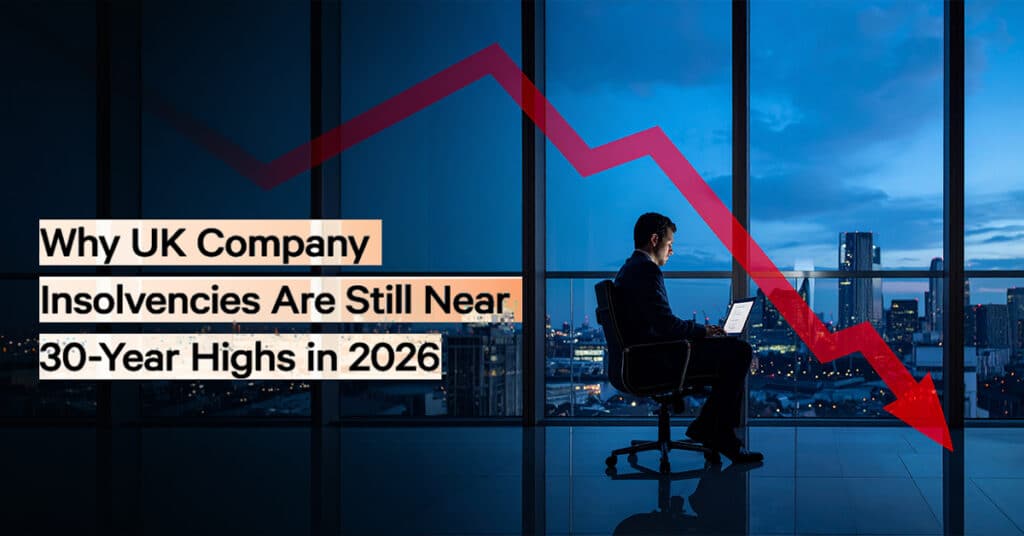
Why UK Company Insolvencies Are Still Near 30-Year Highs in 2026
Despite inflation easing compared to the sharp increases seen in 2022 and 2023, company insolvencies across the United Kingdom remain stubbornly high in 2026. Many businesses expected financial conditions to improve once inflation started slowing, yet insolvency figures continue to reflect severe pressure across multiple sectors of the economy. According...

What Are the Three Different Types of Liquidation?
Liquidation is the formal process of closing a limited company and bringing its affairs to an end. It involves selling company assets, settling debts where
What Counts as a Prohibited Company Name Under Section 216
When a company goes into liquidation, many directors explore the possibility of starting a new business or continuing the same trade under a fresh structure.

What Is a Phoenix Company and How Does It Work?
When a company faces financial difficulty, liquidation can sometimes feel like the end of the road. However, in certain circumstances, directors may have the opportunity

Who Can Legally Carry Out Insolvency Work in the UK? Lessons from Davis Acquisitions Ltd
When a company begins to struggle financially, directors often turn to online advice or seek professional help for liquidation or rescue options. However, not all
Construction companies that couldn’t survive in 2025
The UK construction sector entered 2025 already weathered by inflation, interest rate pressure and persistent supply chain turbulence. Forecasts for the wider economy suggested only

Are Crypto Assets Property in Insolvency? Understanding the 420% Surge in Cases
The rapid rise of cryptocurrency and digital assets has changed the financial landscape, and now it is reshaping insolvency and bankruptcy too. Over the past